Asia
Egg Fried Rice: Day-Old Rice, Scallions and Soy
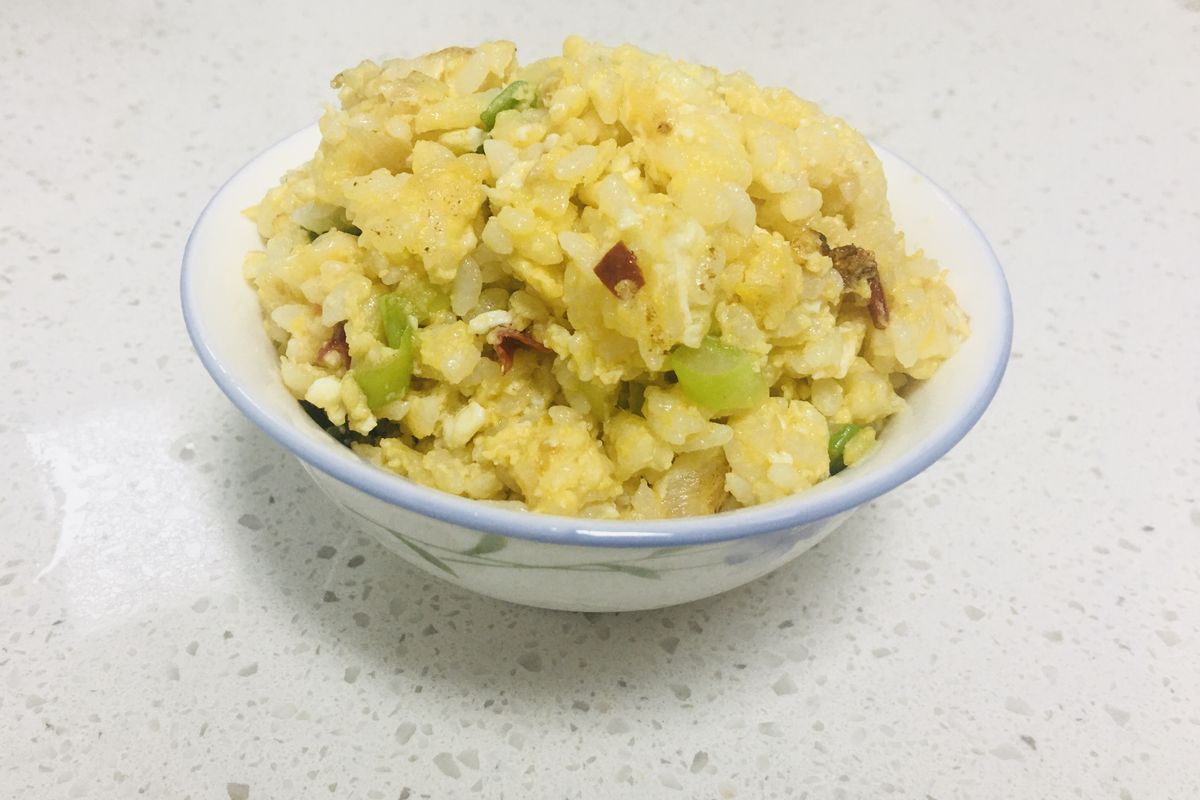
Chinese-style egg fried rice made with cold day-old rice, soft scrambled egg, scallions and soy sauce in a home skillet, ready in about 25 minutes.
By Lavin Food Editorial · Published
- Prep
- 15 min
- Cook
- 10 min
- Total
- 25 min
- Yield
- 4 servings
About this dish
Fried rice is cooked rice stir-fried in a wok or a frying pan with eggs, vegetables, meat or seafood. Wikipedia notes that at home it is often made from leftovers, which is why there are countless versions. Egg fried rice is the plain core of the family: rice, egg, scallions and a little soy sauce, with peas and carrots if you like. It works as a main dish or as a side next to something saucy.
The history is only partly settled. Wikipedia's article on fried rice says the earliest record dates to the Sui dynasty (589 to 618) in China, in the city of Yangzhou, and presents the dish as a way to use up rice that would otherwise harden. Its article on Yangzhou fried rice adds that the dish did not originate in Yangzhou, despite the name, and that the Qing official Yi Bingshou is credited with popularizing it. This page claims no more than those articles do.
This version uses a large skillet instead of a wok, cold rice and a short pantry list. The goal is separate, lightly toasted grains, soft egg curds and savory, not salty, seasoning. The cook takes about ten minutes, so chop everything first.
Ingredients and substitutions
Quantities are for 4 servings.
For the rice
- 4 cups (650 g) cooked long-grain white rice, cold, from the refrigerator, preferably day-old
- 3 tablespoons (45 ml) neutral oil, such as canola or peanut, divided
- 4 large eggs, beaten with a pinch of salt
- 6 medium scallions, white and green parts separated, thinly sliced
- 2 cloves garlic, minced
- 1 cup (140 g) frozen peas and diced carrots, optional, thawed under running water and drained
For the seasoning
- 2 tablespoons (30 ml) light soy sauce, regular all-purpose soy sauce also works
- 1 teaspoon (5 ml) dark soy sauce, optional, for color
- ¼ teaspoon (0.5 g) ground white pepper
- ¼ teaspoon (1.5 g) fine salt, plus a pinch for the eggs
- 1 teaspoon (5 ml) toasted sesame oil, added at the end
Choosing your ingredients
Cold, dry rice is the most important choice. Fresh rice is soft and full of steam, so it clumps and turns pasty in the pan. Wikipedia makes the same point: fresh rice can keep fried rice from frying properly and leave it soft. Rice that has chilled for a day has firmed up and lost surface moisture, so the grains toast instead of steam. About 1 1/3 cups (250 g) of raw long-grain rice cooks to the 4 cups used here.
No day-old rice? Spread freshly cooked rice thin on a baking sheet, let the steam escape for a few minutes, then refrigerate it loosely covered for a couple of hours. A thin layer cools fast, which also matters for safety. Jasmine and other long-grain rice work best, since short-grain rice tends to mash.
White pepper is the classic seasoning here. It tastes earthy and sharp, so use only a pinch. Light soy sauce supplies most of the salt. Dark soy sauce is thicker and less salty, and it mostly adds color.
Keep the scallion whites and greens apart. The whites soften with the garlic, and the greens go in at the end so they stay bright. Use a 12-inch (30 cm) skillet so the rice has room to fry rather than pile up and steam.
Possible substitutions
- Cooked long-grain white rice: Cooked jasmine or basmati rice. Cold brown rice also works, but it is chewier and needs an extra minute in the pan.
- Light soy sauce: All-purpose soy sauce, or tamari for a gluten-free version. Check the label, since some tamari is not gluten-free.
- Dark soy sauce: Leave it out. The rice will be paler but just as good.
- Ground white pepper: A small pinch of freshly ground black pepper, which is fruitier and less earthy.
- Frozen peas and diced carrots: Corn, diced bell pepper or finely chopped broccoli stems, cut small so they heat through in a minute or two.
Step-by-step method
- Break up the cold rice. Tip the cold rice into a large bowl. Wet your hands lightly and rub the rice between your fingers to break up every clump, until the grains fall loose and look like separate kernels. This takes 2 to 3 minutes. Loose rice heats evenly in the pan, while clumpy rice leaves cold, gummy centers.
- Prepare everything before heating the pan. Slice the scallions, keeping the whites and greens apart. Mince the garlic. Beat the eggs with a pinch of salt, and stir the two soy sauces together in a small cup. Line it all up beside the stove, because the cooking takes only 8 to 10 minutes.
- Scramble the eggs. Heat a 12-inch (30 cm) skillet over medium-high heat for about 1 minute, then add 1 tablespoon of the oil. When it shimmers, pour in the eggs. Stir gently for 30 to 45 seconds, until they form large soft curds that are just set but still look slightly moist. Slide them onto a plate. They finish cooking later.
- Soften the aromatics and vegetables. Return the pan to the heat and add 1 tablespoon of oil. Add the scallion whites and garlic and stir for 20 to 30 seconds, until they smell sweet but have not browned. Add the peas and carrots, if using, and stir for 1 minute until hot. Lift the pan off the heat if the garlic starts to darken.
- Fry the rice. Add the remaining oil, then the rice. Spread it out, press it against the pan with the back of a spatula, then toss. Repeat for 3 to 4 minutes, until the rice is steaming hot all the way through, the grains bounce, and a few take on light golden spots. If the rice sticks, lower the heat slightly.
- Season the rice. Drizzle the soy sauce around the edge of the pan, where it hits the hot metal and sizzles, then toss. Add the white pepper and salt. Stir for about 1 minute, until the rice turns an even light tan with no pale patches. Taste a spoonful, and add a splash more soy sauce only if it needs it.
- Fold in the egg and finish. Return the eggs to the pan and break them into small pieces with the spatula as you toss, for about 30 seconds. Add the scallion greens and the sesame oil, and toss for 15 seconds, until the greens are bright. Turn off the heat. The rice should be steaming hot throughout, with no cold pockets. Serve immediately.
Variations
Egg fried rice is a base. Wikipedia lists common additions such as shrimp, chicken, pork, ham, sausage and mushrooms. Yangzhou fried rice, according to its article, mixes proteins, most often char siu pork and shrimp. Cook any raw meat or shrimp first, set it aside with the eggs, and fold it back in at the end.
For a simple change, use 1 cup (about 150 g) of diced cooked ham in place of the peas and carrots. For heat, serve chili crisp at the table so each person can choose.
Storage and reheating
Cooked rice left warm can make people sick, so cool it fast. Spread freshly cooked rice thin and refrigerate it within one hour if you can, and always within two hours. USDA guidance is to refrigerate leftovers within two hours, or within one hour if the room is above 90°F (32°C). Use chilled rice for frying within a day or two.
Refrigerate leftover fried rice within two hours too. Keep it in a shallow, airtight container for up to 3 or 4 days, then reheat it in a skillet or microwave until steaming hot all the way through, to 165°F (74°C). It freezes for about 3 months for best quality. Cool it first, freeze it flat in a bag, and reheat in a hot pan.
Common mistakes
- Using fresh, warm rice. Rice straight from the pot is wet and sticky and turns to paste. Use cold day-old rice, or spread fresh rice thin and chill it for a couple of hours.
- Crowding the pan. Too much rice drops the pan temperature, and the rice steams. Cook no more than 4 cups at a time in a 12-inch (30 cm) pan, and make two batches for a crowd.
- Pouring soy sauce over the top. Soy sauce poured onto the surface soaks in unevenly and leaves dark, salty clumps. Drizzle it around the hot edge of the pan, then toss right away.
- Overcooking the eggs first. Eggs scrambled until dry turn rubbery and crumble. Take them out while they still look slightly moist, because they cook further when they return to the pan.
Frequently asked questions
Why does fried rice work better with day-old rice?
Chilled rice has dried out and firmed up, so the grains stay separate and toast in the oil. Fresh rice holds extra moisture, which makes it soft and clumpy.
Can I make it in a regular skillet instead of a wok?
Yes. A wide, heavy 12-inch (30 cm) skillet works well. Preheat it, keep the heat at medium-high, and cook small batches. A home pan runs cooler than a wok, so allow a little more time.
Is it safe to use leftover rice?
Yes, if it was cooled and stored properly. Refrigerate cooked rice within two hours, use it within a day or two, and heat the finished dish until steaming hot.
Are the eggs fully cooked?
Yes. They set in the hot pan and finish in the steaming rice, so they are firm when served. Young children, older adults, pregnant people and anyone with a weakened immune system should only eat eggs cooked until firm.